BLOG
Summer 2026 Interior Design – Natural materials, warm palettes, and new living balances
Summer 2026 interior design moves in a precise direction, less tied to immediate visual effect and more oriented toward material quality, spatial coherence, and their ability to be lived in over time.
It is not a sharp break from the past, but an evolution that scales back rigid minimalism and brings surfaces, colors, and design solutions capable of building more balanced environments back to the center.
In this scenario, materials such as marble, natural stone, and wood are not simple finishes, but structural elements of the project; they define proportions, guide light, and help create continuity between domestic environments.
Materiality and surfaces: the return of texture
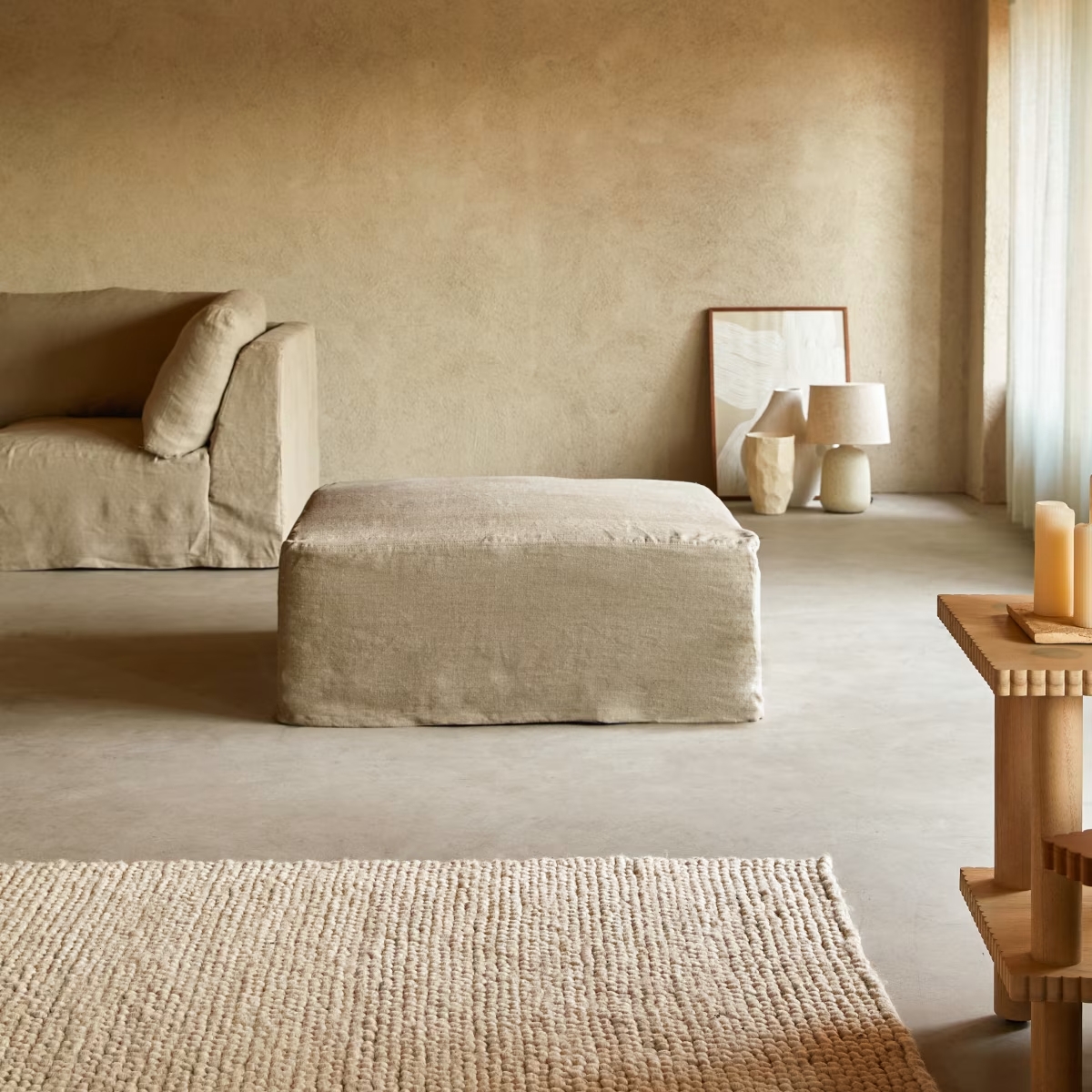
One of the most evident changes concerns the way surfaces are used; excessively uniform finishes are progressively abandoned to make room for more expressive materials, with visible textures and natural variations. Natural stone, in this context, finds a new centrality, especially when used not only for floors but also for walls, claddings, and architectural elements.
Marble with bold veining, already a protagonist in many kitchens and bathrooms, continues to be used, but is often balanced by more neutral surfaces or materials like wood, which introduce a warmer component; the goal is not to create contrast, but to build a coherent layering, where each material contributes to the readability of the space.
Palettes and light: warm tones and less contrast
Parallel to this, a change in color palettes is observed; cold grays and sharp contrasts give way to softer tones, often inspired by nature: beige, sand, terracotta, and desaturated greens become the base on which to build environments, while white is used in less brilliant versions, closer to warm tones.
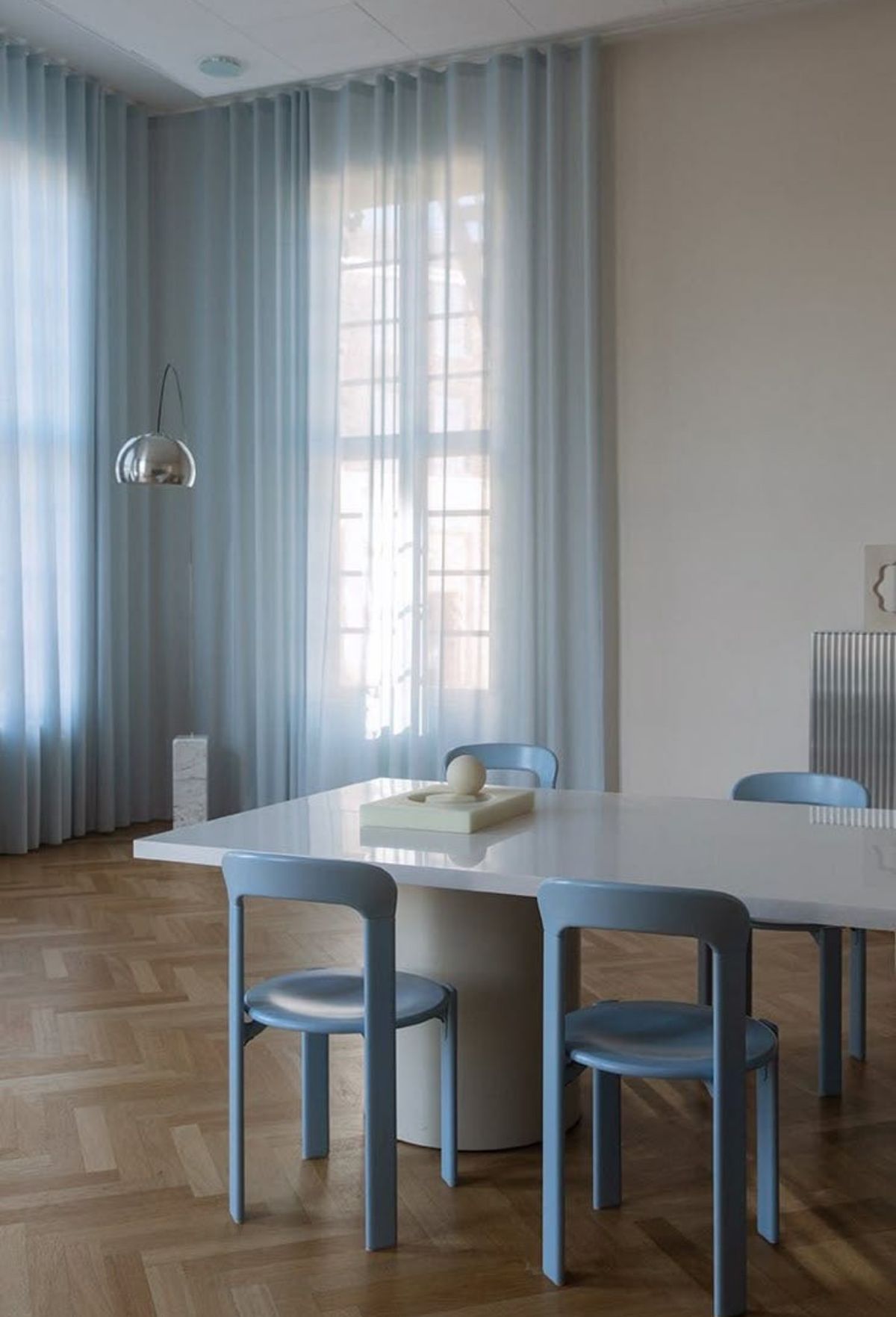
This chromatic choice also affects the perception of light; environments appear more enveloping, less sharp, with a more uniform light distribution; natural stone surfaces, thanks to their chromatic variations, help diffuse light in a more articulated way, avoiding the flat effect typical of overly homogeneous materials.
Lived-in spaces and continuity between environments
Another central element concerns the organization of spaces; the distance between indoor and outdoor environments is reduced, and homes are designed to function as fluid systems, where the kitchen, living room, and outdoor areas dialogue without sharp interruptions.
This approach is also reflected in the choice of materials, which are repeated and reinterpreted across different areas of the home.
At the same time, environments become less rigid; the idea of formal perfection is abandoned in favor of greater livability: objects increase, but are carefully selected; surfaces are layered, but without losing coherence.
- prioritize natural materials with visible textures
- use warm and desaturated palettes for more balanced light
- create continuity between interior and exterior through surfaces
- design flexible spaces intended for daily use
Summer 2026 interior design does not introduce radically new elements, but reorganizes existing ones; materials, colors, and spaces are used with greater awareness, giving life to interiors that are more coherent, less staged, and better suited to be inhabited over time.
Photo credits: tikamoon/ Pinterest